

PVC tarpaulin is widely used for truck covers, outdoor tents, equipment covers, and temporary storage. Its service life depends on material quality, exposure to sunlight, frequency of use, and maintenance. Tarpaulins used occasionally generally last longer than those exposed to constant weather, repeated tension, and abrasion.
For buyers and users, estimated service life can help with replacement planning. However, the actual lifespan should be assessed based on product specifications and operating conditions.
How Many Years Does PVC Tarpaulin Typically Last?
The following ranges are rough estimates for general planning, not universal industry standards or guaranteed service lives. Actual durability varies with the PVC formulation, base fabric, construction, and environment.
|
Application |
Estimated Service Life |
Main Factors Affecting Lifespan |
|
Indoor or sheltered equipment covers |
5–8 years |
Abrasion, folding, and storage conditions |
|
General outdoor covers |
3–5 years |
UV exposure, rain, wind, and water accumulation |
|
Regularly used truck tarpaulins |
2–4 years |
Loading and unloading, vibration, tension, and cargo friction |
|
Seasonally used outdoor tents |
4–6 years |
Sun exposure, wind loads, and storage practices |
|
Tarpaulins in harsh conditions, such as intense sunlight or strong winds |
1–3 years |
UV radiation, repeated movement, salt exposure, and abrasion |
These ranges are intended only as preliminary estimates. They should not replace product-specific weathering tests or actual service records. Even when no obvious damage is visible, tarpaulins used outdoors over long periods should be inspected regularly for coating deterioration, seam damage, and weakened attachment points.
What Factors Affect the Service Life of PVC Tarpaulin?
1. Material and Coating Quality
PVC tarpaulin is generally made from a textile base fabric combined with a PVC coating or laminated layer. The base fabric affects tensile and tear strength, while coating adhesion and weather resistance influence long-term performance.
Weight and thickness alone do not determine durability. Material selection should also consider the intended application, mechanical loads, and exposure conditions.
2. Environmental Conditions and Mechanical Stress
Prolonged sunlight, high temperatures, strong winds, and standing water can accelerate material deterioration. Truck tarpaulins also experience repeated folding, vibration, and cargo friction, while tents must withstand wind loads and stress around seams and support points.
3. Cleaning, Repairs, and Storage
Remove dirt after use and inspect edges, eyelets, and welded seams regularly. Before storage, clean the tarpaulin and allow it to dry thoroughly. Avoid prolonged storage in damp conditions and keep it away from sharp objects. Repairing minor damage promptly can help prevent it from spreading.
When Should PVC Tarpaulin Be Replaced?
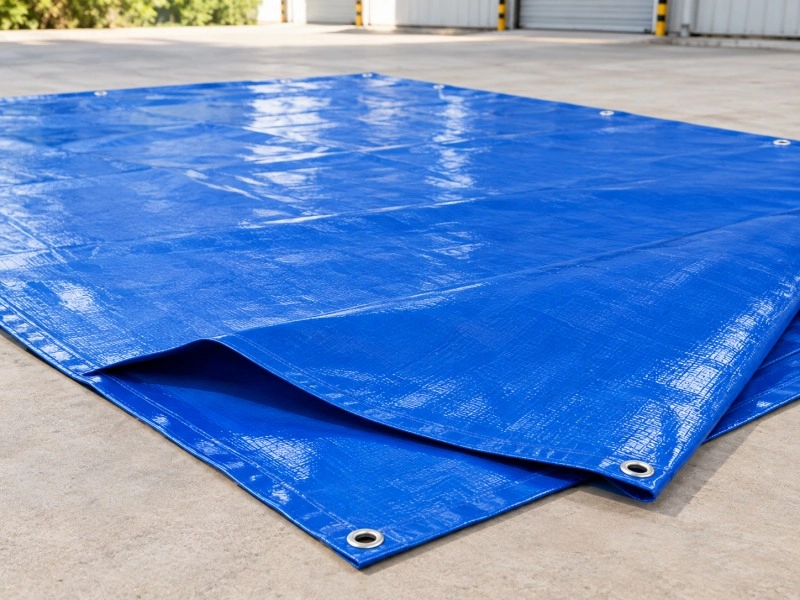
◆ Cracking or hardening: The material loses flexibility and may crack when folded.
◆ Coating delamination: The coating separates from the base fabric, potentially compromising waterproofing and protection.
◆ Expanding tears: Damage continues to spread, particularly around edges, eyelets, and high-stress areas.
◆ Repeated seam failure or leakage: Repairs no longer restore the required performance.
When deciding whether to replace a tarpaulin, prioritize whether it can still meet the required standards for waterproofing, coverage, and load resistance rather than relying solely on its age.


